- Sustainability
- Recycling
Recycling Cork A New Beginning
A cork stopper's journey does not end when a bottle is opened. Through recycling, cork can be recovered and transformed into a valuable raw material for new applications, extending its use and preserving the environmental benefits associated with this natural, renewable and recyclable material.
As part of its commitment to circularity, Corticeira Amorim promotes and supports cork stopper recycling initiatives in different countries, encouraging the recovery and valorisation of cork after use. These initiatives combine environmental and social impact, promoting community engagement, environmental education and supporting projects that contribute to ecosystem restoration and long-term sustainability.
If cork stoppers are naturally positive, the possibility of extending their life cycle through recycling and reuse breathes new life into their ecological profile.
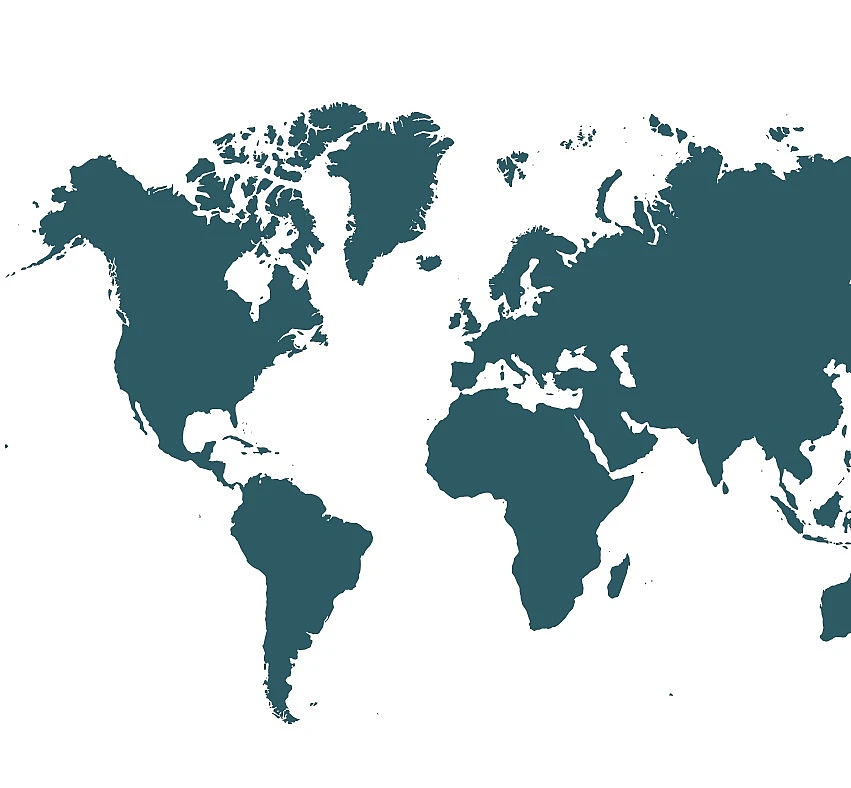
Through an international network of recycling programmes and partnerships, Corticeira Amorim collected and incorporated into production 123.8 million cork stoppers in 2025, resulting in 557 tonnes of recycled cork. Transformed into valuable raw material, this cork finds new applications across a wide range of sectors. By keeping cork in use for longer, recycling also helps extend the environmental value of this unique material, including its carbon retention potential.
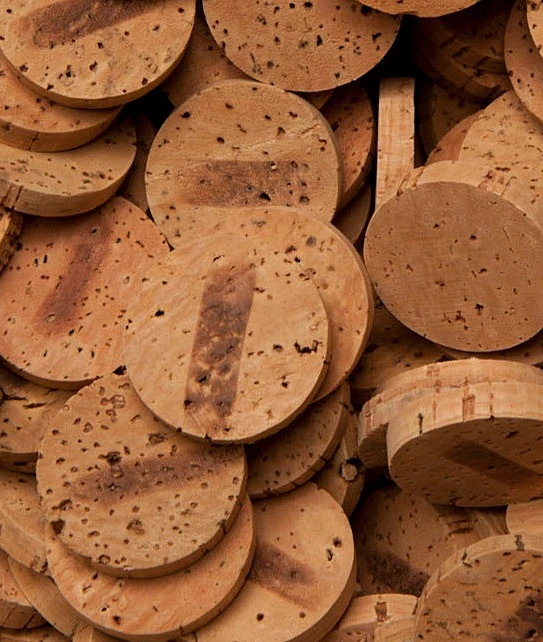
Collected cork is processed into granules that can be incorporated into products such as flooring, insulation, sports surfaces, design objects and other cork-based solutions. Although recycled cork is not used in the production of new cork stoppers, it continues to create value across multiple industries and applications.
Recycling is part of Corticeira Amorim's broader circular approach, ensuring that cork and its by-products remain in use for longer and continue to contribute to a more resource-efficient future.
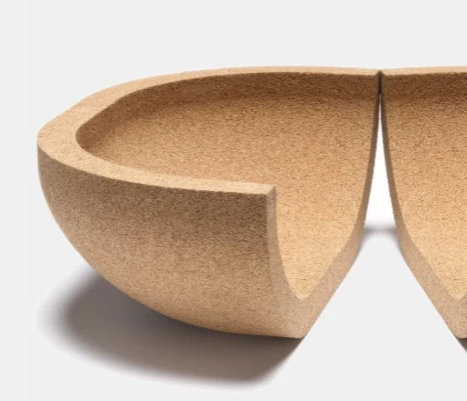
“Working with a material where waste does not exist, because it is fully recyclable, allow us to design freely and gives us the freedom to explore different geometries”
Our recycling programmes:
GREEN CORK
Since its inception in 2008, Green Cork (organised by Quercus), has been dedicated to collecting cork stoppers, planting native trees, and involving students in environmental education activities.

RECORK
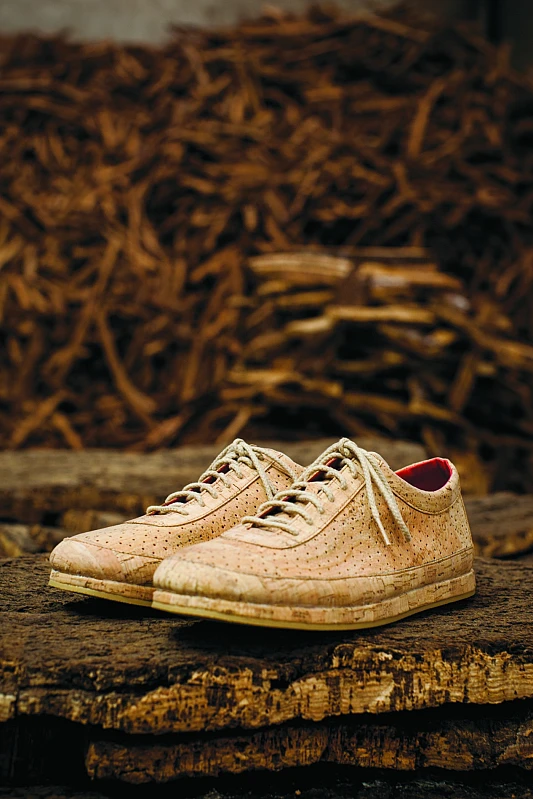
It’s the largest cork recycling project in the United States and Canada, created in 2008 on the initiative of the footwear company SOLE. The recycled cork stoppers, collected through a network of more than 3,000 partners, are transformed to be applied in the production of shoe soles.
ECOBOUCHON
Launched in 2009, this initiative is responsible for the largest proportion of cork stoppers recycled and has a strong social solidarity component, providing financial support to various social institutions.
ETICO
Created in 2011, this initiative has strong support with many volunteers and collection points with recycled cork later transformed into design production products through the SUBER collection launched in 2019.
CORK2CORK
A partnership with NH Hotels, started in 2011, collects cork stoppers in hotels across several countries, reintegrating recycled cork into new materials and applications within the hospitality sector.
AMORIM CORK LIFE
Launched in 2013, among other initiatives, create jobs through the construction of handicrafts and decorative items.

RECORK
Launched in 2023 in partnership with Australia’s largest liquor retailer, Endeavour Drinks Group, and with support from the South Australian Government, this programme sees the collection of used wine cork stoppers at over 100 stores across Australia, and the conversion of the resulting cork granulate is being trialled into a range of usable products. In coming years the programme will expand to more sites across the country as further retail, hospitality and industrial partnerships are created.
Fueled by the expertise and passion of its founding partners —Rockwell Group, Amorim, Bluewell, and Southern Glazer’s Wine & Spirits—the project, created in 2024, is dedicated to repurposing wine corks into innovative, eco -friendly products that benefit communities and promote a greener future.
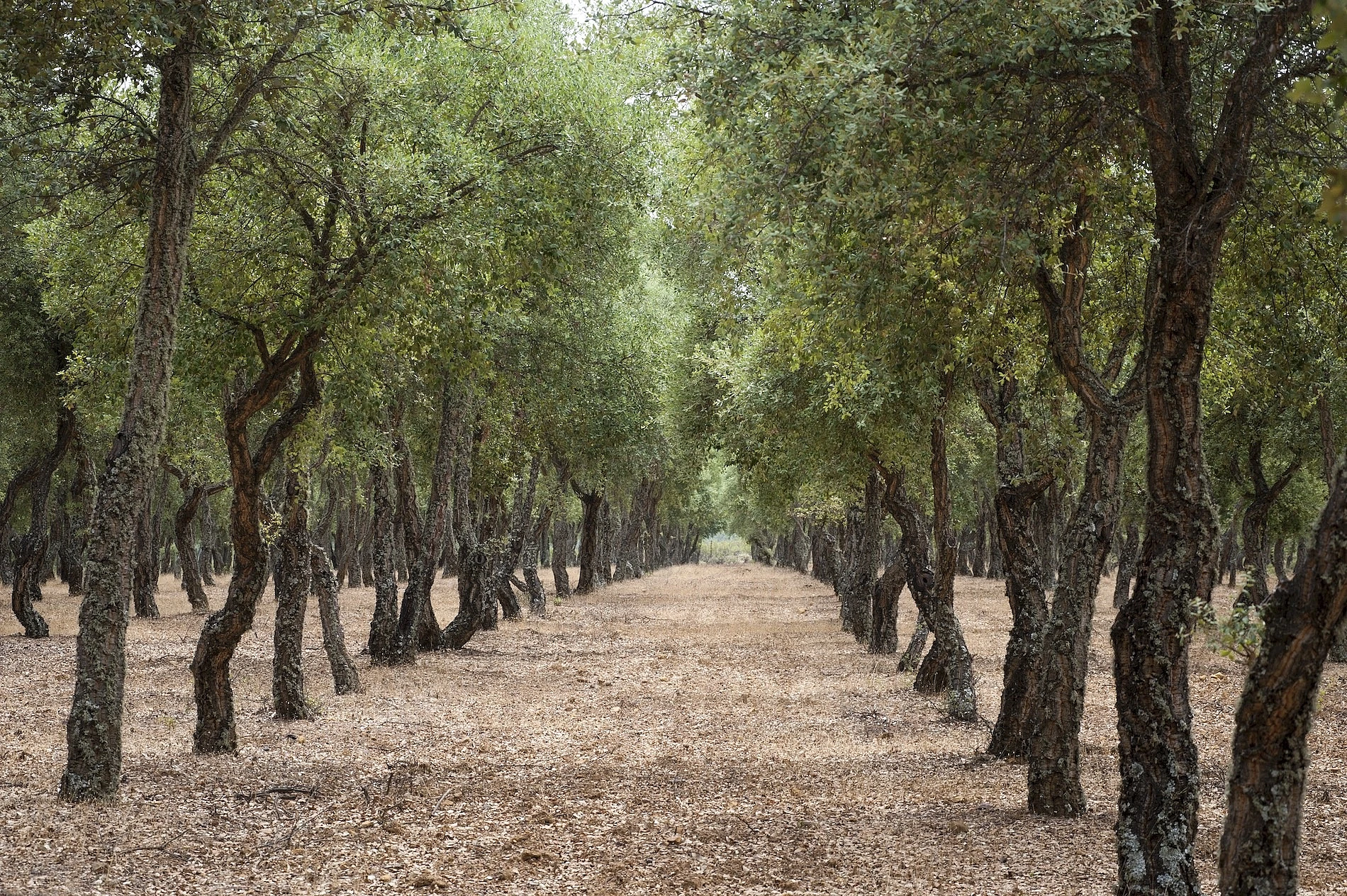
Cork Oak Forest
Cork oak forests, known as Montado, are ambassadors for sustainability and a driving force behind sustainable development. They play a decisive role in the planet's ecological balance, combat climate change and desertification, and protect biodiversity.
These cork-rich areas are essential in the fight against habitat loss and promote sustainable practices such as stripping, which preserves the vitality of the trees over the years.