- Коркът и виното
- Суровина и производствен процес
Суровина и промишлен процес От кората до бутилката
От гората до бутилката, коркът се впуска в едно увлекателно пътешествие, в което хармонията между човека, природата и технологиите се преплитат синергично. Обелването, извършвано от висококвалифицирани работници, които предават знанията си от поколение на поколение, е само първата стъпка в един необикновен процес, в който нищо не се губи.
Коркът се събира на всеки девет години, между месеците май и август, когато дървото е в най-активната фаза на растеж. Важно е да се подчертае, че по време на този процес не се секат дървета; коркът се извлича по устойчив и внимателен начин, без да се поврежда дървото. С милиметрова прецизност процедурата включва вертикален разрез, последван от хоризонтален разрез в ствола, което позволява корковата плоскост да бъде внимателно отстранена. Корковият дъб е единственият вид, чиято кора се възстановява естествено след всяко отстраняване като израства напълно и придобива по-гладка текстура.
За корковия дъб всеки край представлява ново начало, символизиращо цикъл на обновление и устойчивост.
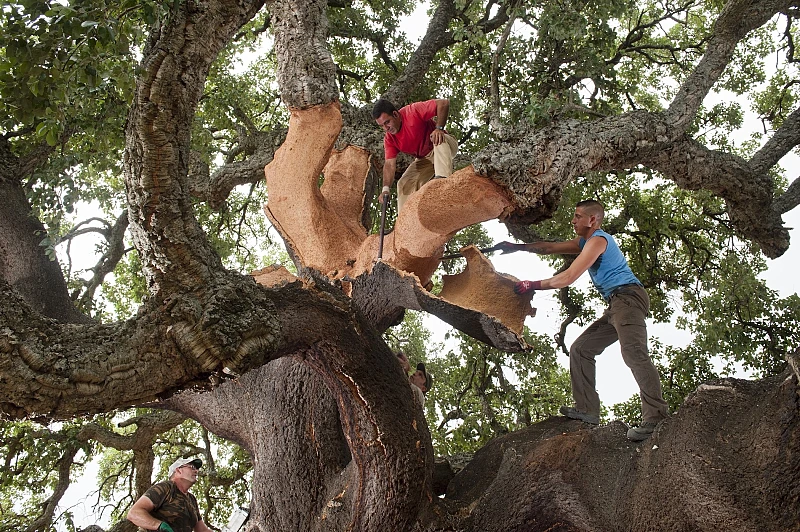
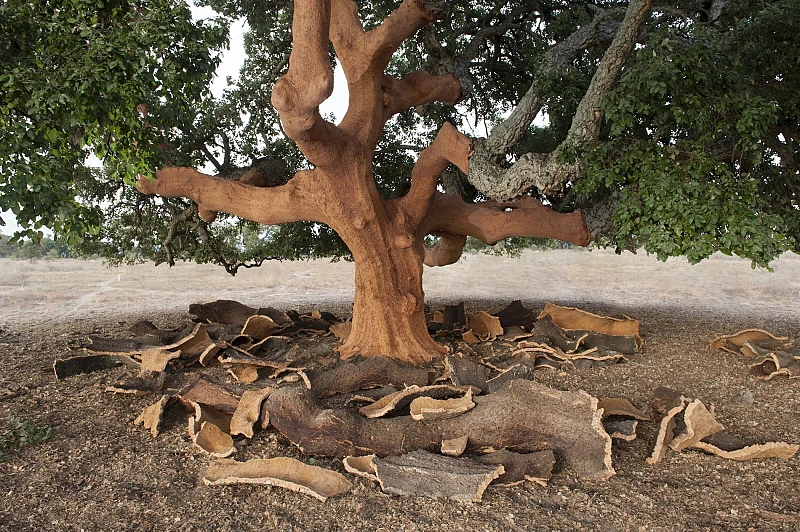
„Тези могъщи и величествени Quercus Suber, които, освен че са толкова впечатляващи, тихо даряват най-висококачествените тапи, които съхраняват в идеални условия нашата грижовна работа като производители на вино“.
200 години живот: издръжливостта на корковия дъб
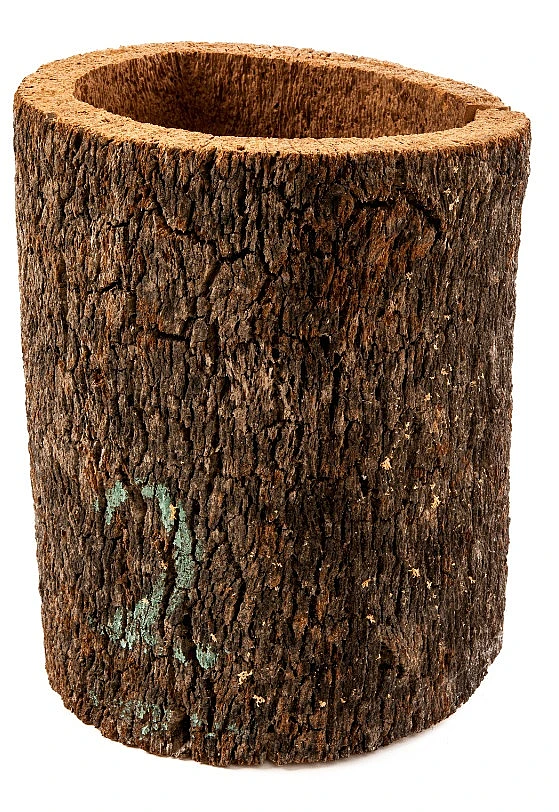
Корковият дъб има средна продължителност на живота от 200 години. След период от 25 години дървото може да бъде обелено за първи път, въпреки че този първоначален корк, известен като „девствен“, не притежава желаното качество. Впоследствие е необходимо да се изчака още 9 години, за да се завърши цикълът. На ствола се нанася номер от 0 до 9, който показва годината, в която е събрана кората. Цикълът на кората е ритмичен и мистериозен. Едва след третото събиране – т.е. приблизително 43 години след засаждането на дървото – кората достига идеалните условия за производството на натурални коркови тапи.
От корковата плоскост до крайния продукт, коркът преминава през поредица от внимателно диференцирани етапи, в зависимост от типа тапа, за която е предназначен. Въпреки това, по отношение на превантивните и лечебни грижи, всички коркови плоскости получават една и съща щателна обработка.
Производството на корковата тапа е увлекателен процес, в който занаятчийското майсторство е толкова важно, колкото и най-модерната налична технология. Въпреки цялата еволюция в индустриалния процес, корковите тапи все още са резултат от забележителното сътрудничество между човека и машината, съюз, който продължава вече векове.
„Виното и коркът са продукти, които са се появили от природата и от историята на човечеството. Те са обединени от векове и са отнели много време, за да достигнат най-висшата си изява.“
Изкуството и науката на производството на коркови тапи
Стабилизация
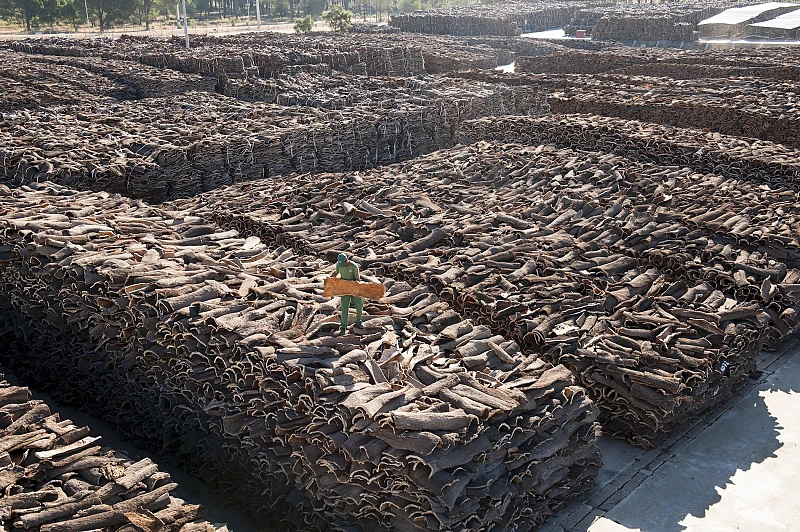
Дъските от корк пристигат от гората и се подреждат на открито за минимум шест месеца, което им позволява да се стабилизират и да достигнат равномерно съдържание на влага. Всяка партида се етикетира, за да се гарантира пълна проследимост до гората на произход – ключово изискване за сертифицирането по FSC®. Дъските се съхраняват върху конструкции от неръждаема стомана, леко наклонени, за да се максимизира циркулацията на въздуха и да се сведе до минимум рискът от микробно замърсяване.
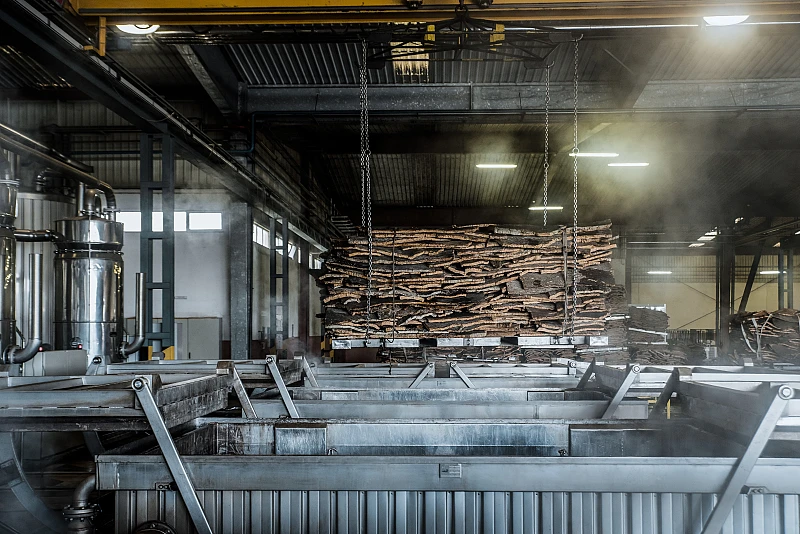
Варене
Дъските се варят в продължение на един час в резервоари от неръждаема стомана, за да се отстранят примесите, да се подобри гъвкавостта им и да се постигне идеалното съдържание на влага за преработка. Ексклузивната система за варене CONVEX® на Amorim също улавя и отстранява летливите органични съединения от водата. След варенето дъските се разширяват с около 20%, което ги прави по-равномерни и по-лесни за преработка.
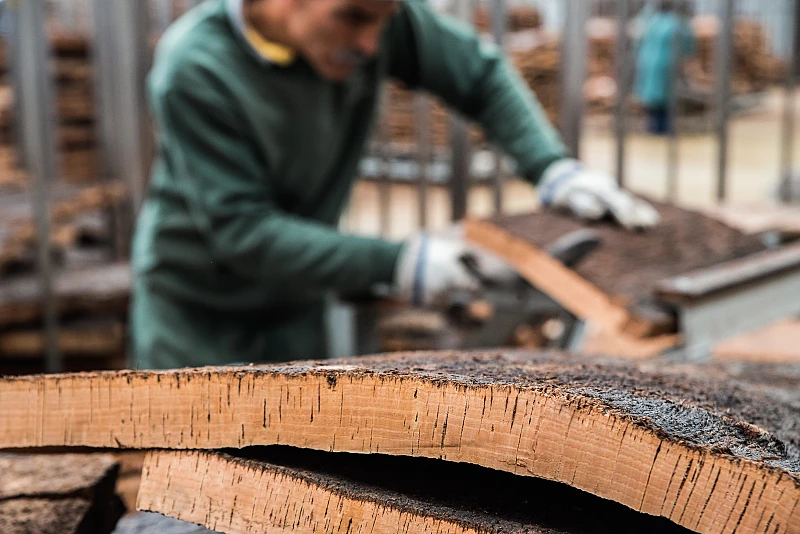
Подбор на суровината
Краищата на дъските се подрязват и всяка дъска се сортира внимателно според външния вид, дебелината и порьозността. За производството на натурални коркови тапи се подбира само корк от най-високо качество, докато материалът с по-ниско качество се използва за производството на други коркови изделия.
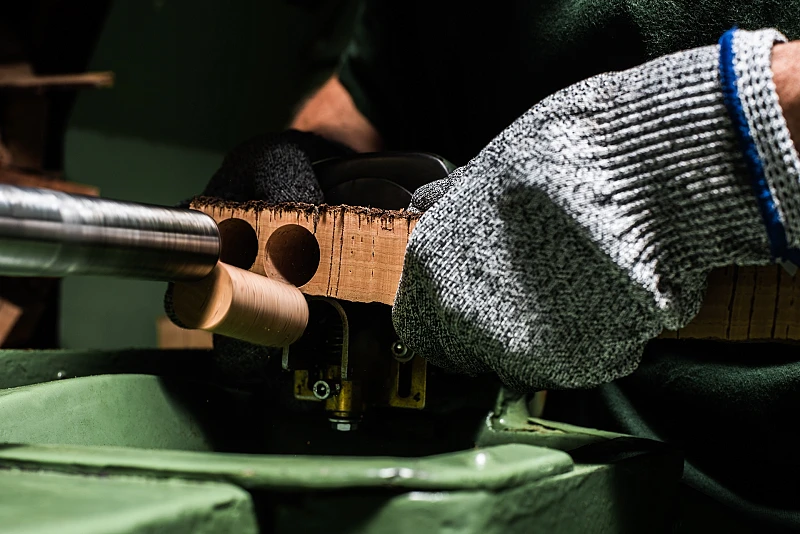
Изрязване
Избраните дъски се нарязват на ленти, от които се изрязват цилиндрични коркови тапи ръчно или автоматично. Това е високопрецизна операция, която осигурява максимално оползотворяване на този естествен материал.
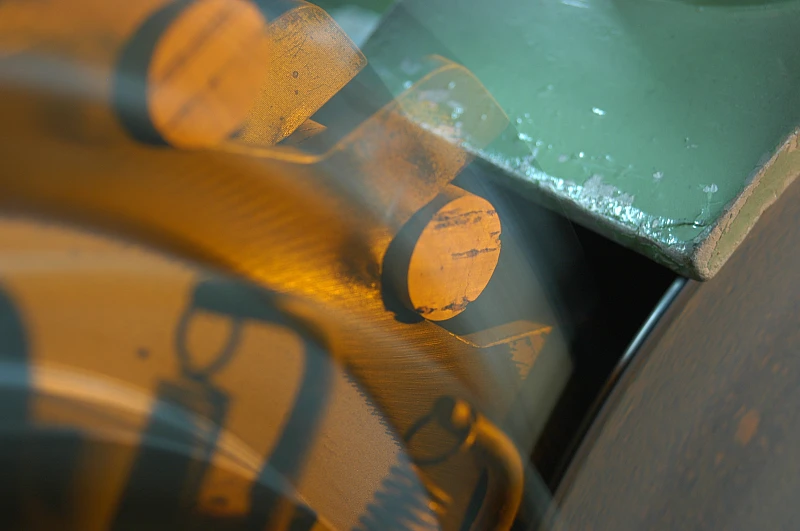
Полиране
Корковите тапи се полират, за да се постигнат точни размери и гладка, равномерна повърхност.
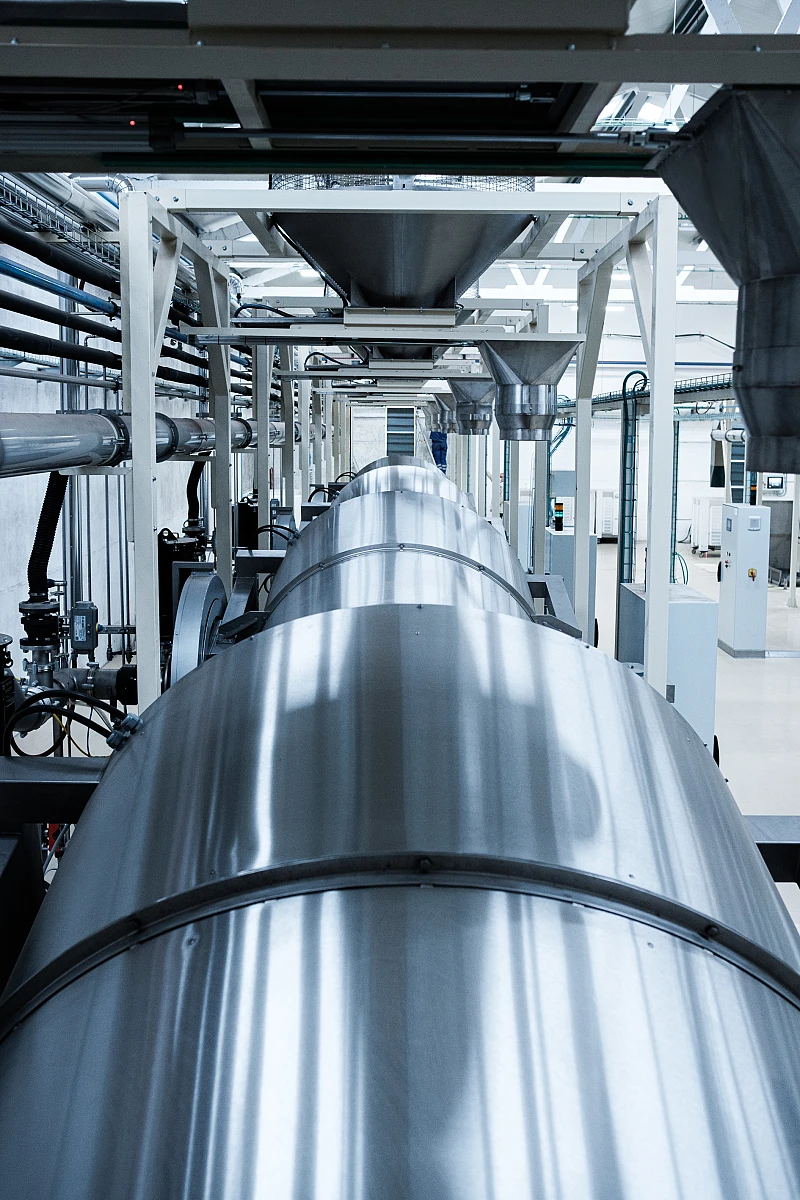
Naturity®
Naturity® is Amorim Cork's most advanced treatment for natural cork stoppers. Developed in partnership with NOVA School of Science and Technology, it uses only pressure, temperature, purified water and time to remove TCA and other unwanted volatile compounds while preserving the cork's natural structure and performance.
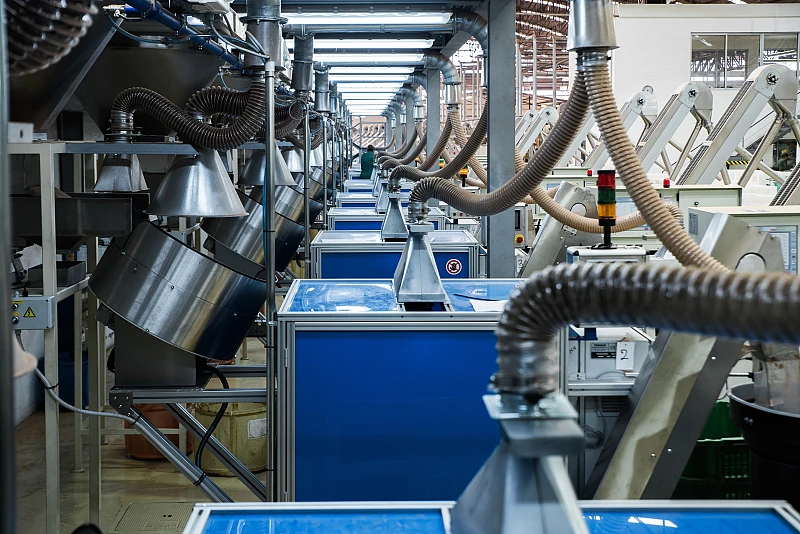
SVE
Всяка тапа преминава през проверка чрез Системата за проверка на херметичността (SVE), за да се гарантира оптимална херметичност и контролиран пренос на кислород като се запазват отличните механични свойства на корковата тапа и я правят идеална за вина от най-висок клас с дълъг потенциал за стареене.
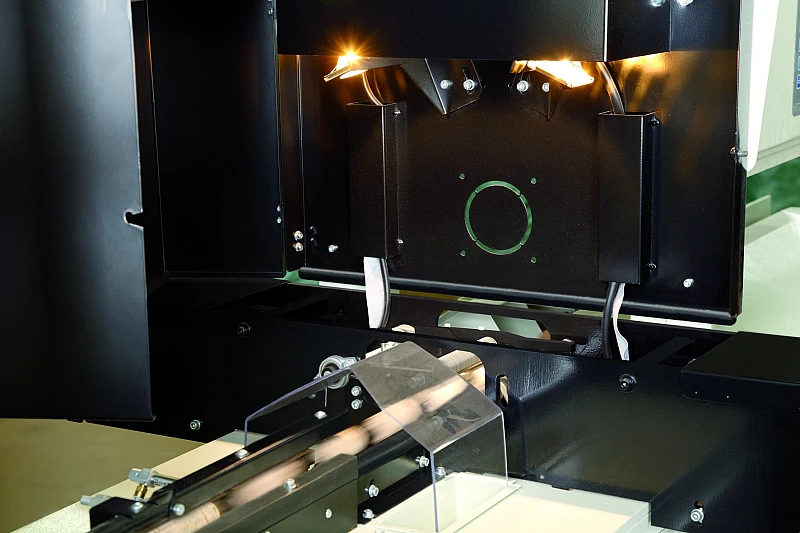
Electronic Sorting
Using artificial intelligence and deep learning, each stopper is visually analysed and automatically classified according to its appearance. Cork stoppers that do not meet the required quality standards are recycled into granules for technical cork stoppers.
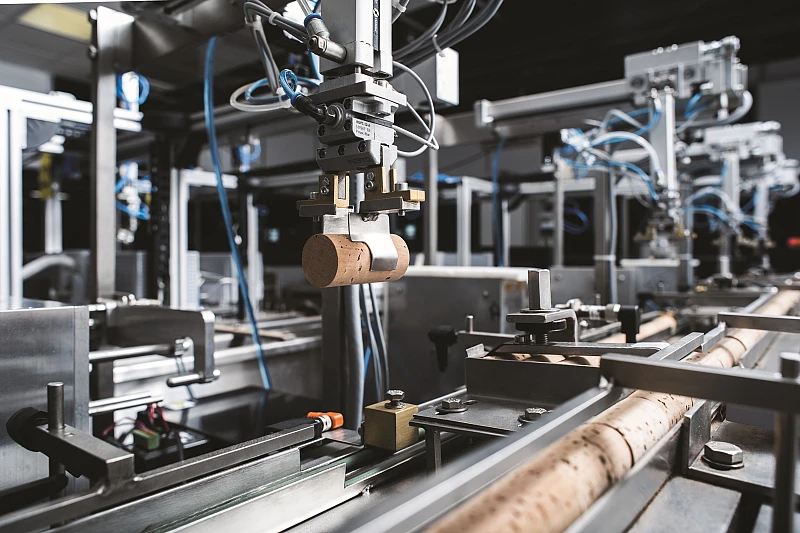
NDtech®
NDtech® is Amorim’s patented technology that individually screens every natural cork using gas chromatography, guaranteeing non-detectable TCA levels and ensuring maximum sensory neutrality and wine protection.
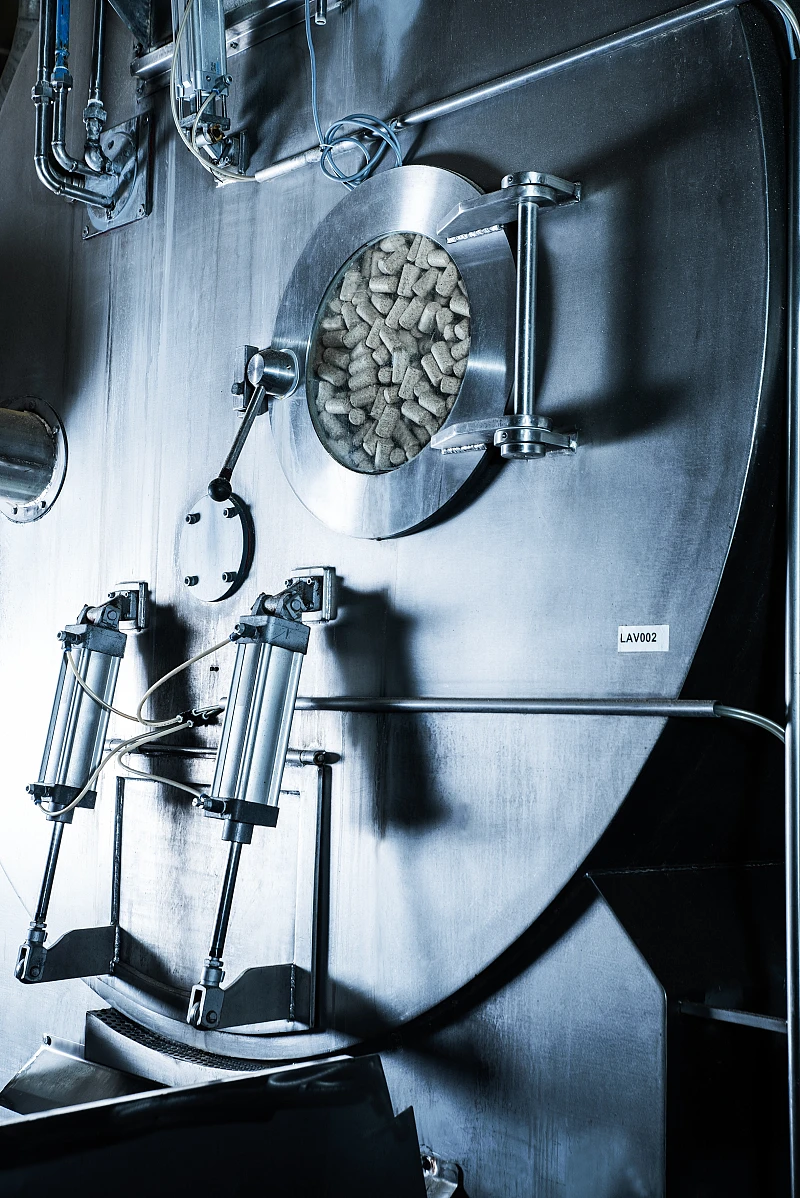
Измиване
Корковите тапи преминават през процес на измиване, който почиства, дезинфекцира и избелва повърхността. Този процес се оптимизира непрекъснато чрез партньорства в областта на научните изследвания, за да се гарантират най-високите стандарти за качество, безопасност на храните и устойчивост.
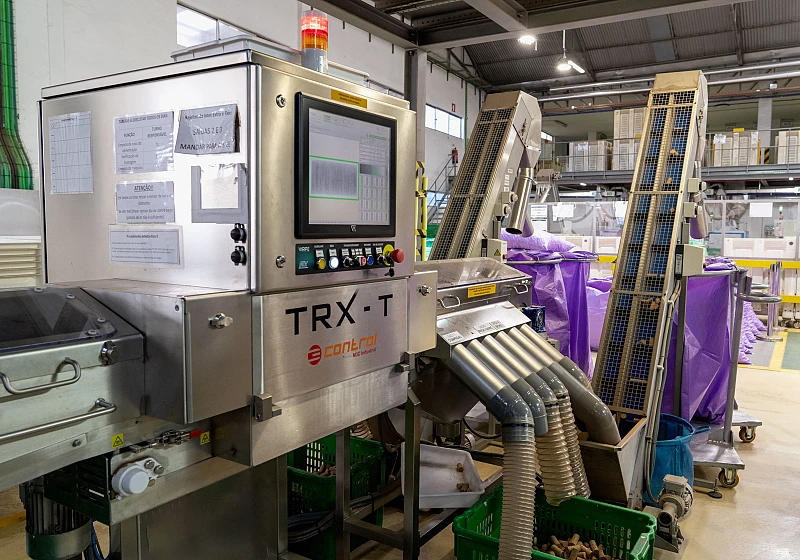
Рентген
Всяка тапа се проверява с рентгенова технология за откриване на вътрешни дефекти, отстраняване на глинени фрагменти, които биха могли да компрометират херметичността, идентифициране на екстремни вариации в плътността и минимизиране на объркванията на продуктите чрез интегрирано разпознаване на цвят и размер.
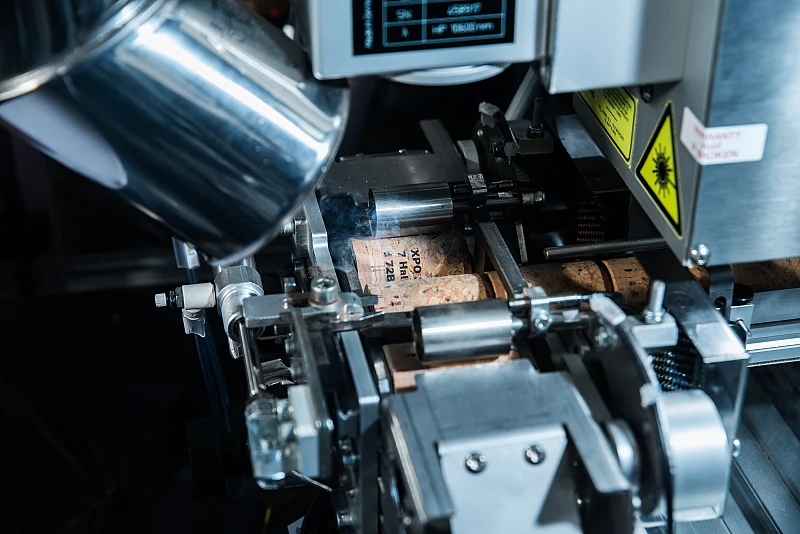
Маркировка
След като отговарят на спецификациите на клиента, корковите тапи се маркират чрез технологии с топлина, мастило или лазер като се използват материали, одобрени за употреба с храни. След това се покриват с парафин или силикон, за да се улесни поставянето им в бутилката и изваждането им от нея.
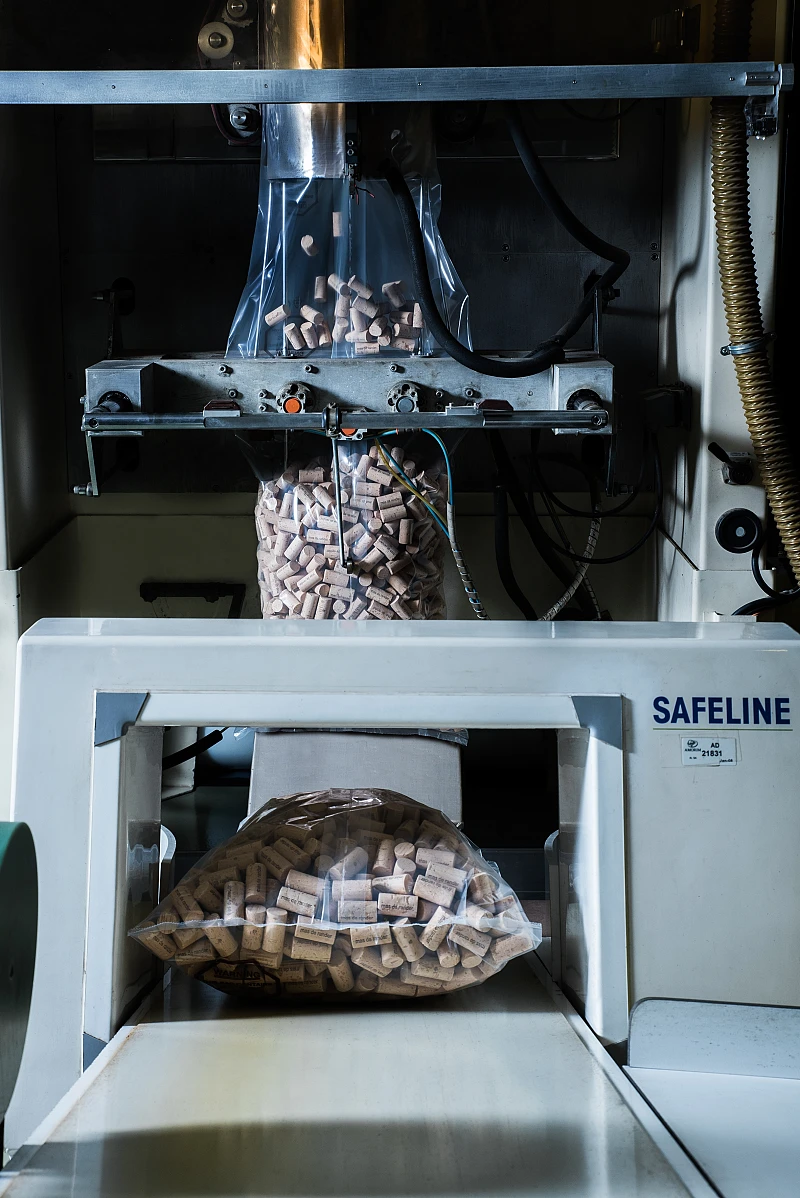
Опаковане
Накрая корковите тапи се опаковат в запечатани торбички при контролирани условия, готови да предпазват и съхраняват някои от най-добрите вина в света.
*Съдържание на освобождаем ТСА, равно или по-малко от границата на количествено определяне от 0,5 ng/L; анализът е извършен в съответствие с вътрешен метод, базиран на ISO 20752.
Представеният производствен поток е само илюстративен и представлява опростен пример за процеса на производство на натурални тапи.