- Cork and Wine
- Raw Material and Production Process
Raw Material and Industrial Process From bark to bottle
From the forest to the bottle, cork embarks on a fascinating journey in which the harmony between human beings, nature and technology are synergistically interwoven. Stripping, carried out by highly qualified workers who pass on their knowledge from generation to generation, is just the first step in an extraordinary process in which nothing is wasted.
The cork is harvested every nine years, between the months of May and August, when the tree is at its most active stage of growth. It is important to emphasise that no trees are felled during this process; the cork is extracted sustainably and carefully, without damaging the tree. With millimetre precision, the procedure involves a vertical incision, followed by a horizontal incision in the trunk, allowing the cork plank to be carefully removed. The cork oak is the only species whose bark regenerates naturally after each stripping, growing back completely and acquiring a smoother texture.
For the cork oak, each end represents a new beginning, symbolising a cycle of renewal and sustainability.
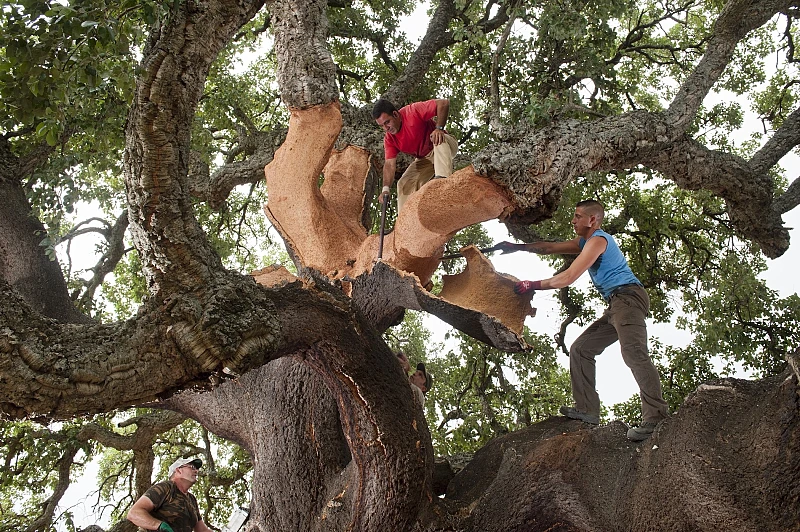
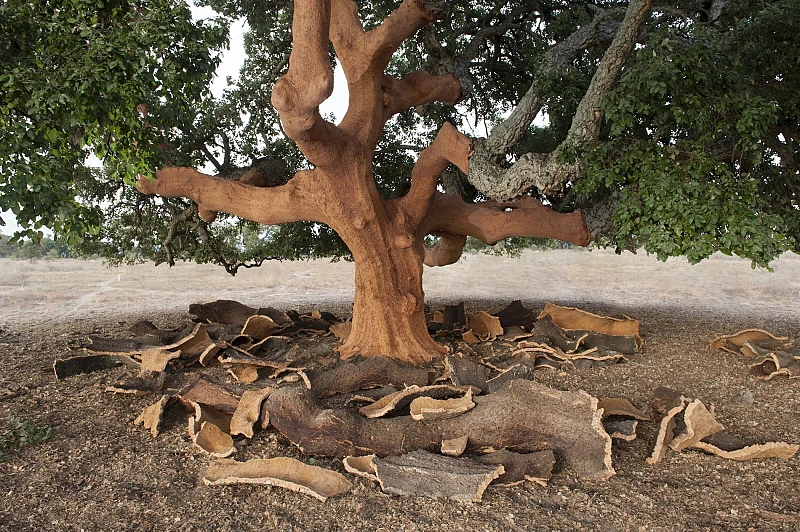
“These mighty and majestic Quercus Suber which, besides being so spectacular, silently donate the best quality of stoppers that preserve in ideal conditions our careful work as wine producers”
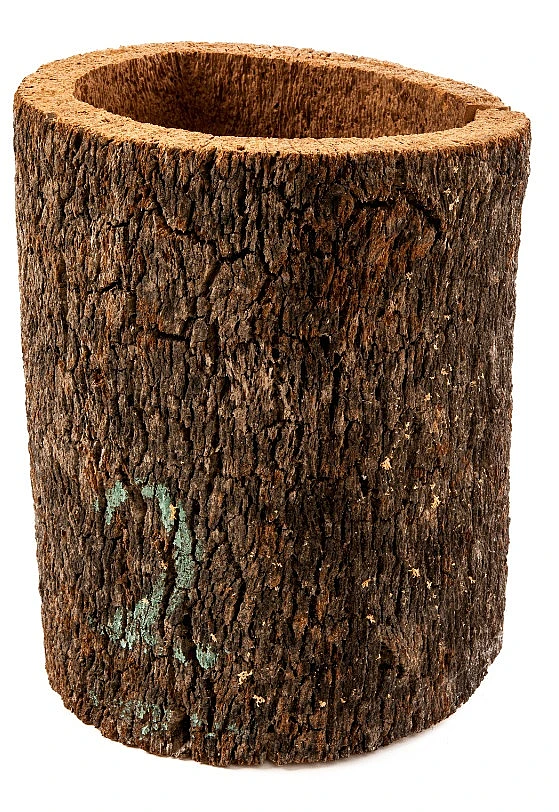
200 Years of Life: The Resilience of the Cork Oak
A cork oak has an average life expectancy of 200 years. After a period of 25 years, the tree can be stripped for the first time, although this initial cork, known as ‘virgin’, doesn't have the desired quality. Subsequently, it is necessary to wait another 9 years for the cycle to be completed. A number, ranging from 0 to 9, is painted on the trunk, indicating the year in which the cork was harvested. The cork cycle is both rhythmic and mysterious. Only after the third stripping - that is, approximately 43 years after the tree was planted - does the cork reach the ideal conditions for the production of natural cork stoppers.
From the cork plank to the final product, the cork goes through a series of carefully differentiated stages, depending on the type of stopper for which it is intended. However, in terms of preventative and curative care, all cork planks receive the same meticulous treatment.
The production of a cork stopper is a fascinating process, where craftsmanship is as crucial as the most advanced technology available. Despite all the evolution in the industrial process, cork stoppers are still the result of a remarkable collaboration between human beings and machines, an alliance that has lasted for centuries.
“Wine and cork are products that have emerged from nature and from the history of mankind. They have been united for centuries and have taken a long time to achieve their greatest expression.”
The Art and Science of Cork Stopper Production
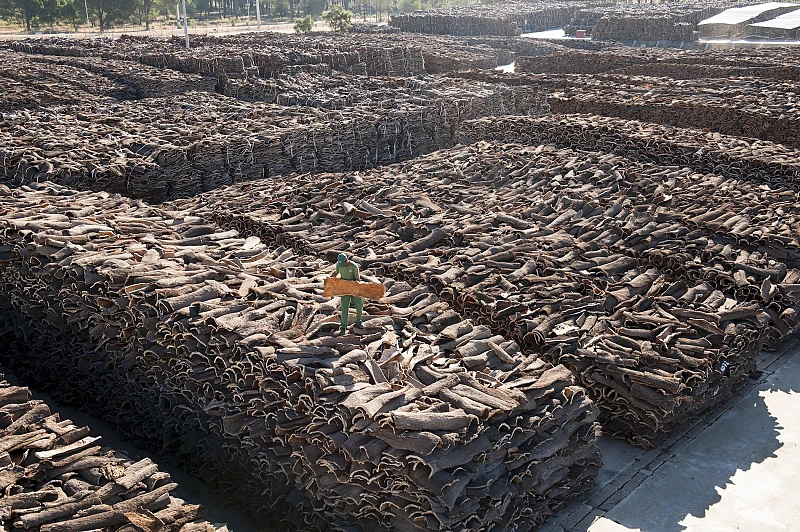
Stabilisation
Cork planks arrive from the forest and are stacked outdoors for a minimum of six months, allowing them to stabilise and reach a uniform moisture content. Each batch is labelled to ensure full traceability back to the forest of origin, a key requirement for FSC® certification. The planks are stored on stainless steel structures, slightly inclined to maximise air circulation and minimise the risk of microbial contamination.
Boiling
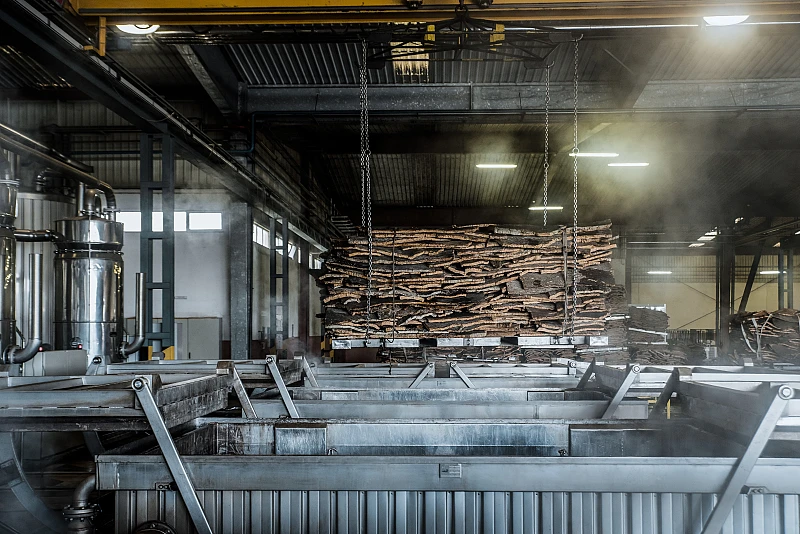
The planks are boiled for one hour in stainless steel tanks to remove impurities, improve flexibility and achieve the ideal moisture content for processing. Amorim's exclusive CONVEX® boiling system also captures and removes volatile organic compounds from the water. After boiling, the planks expand by around 20%, making them more regular and easier to process.
Raw Material Selection
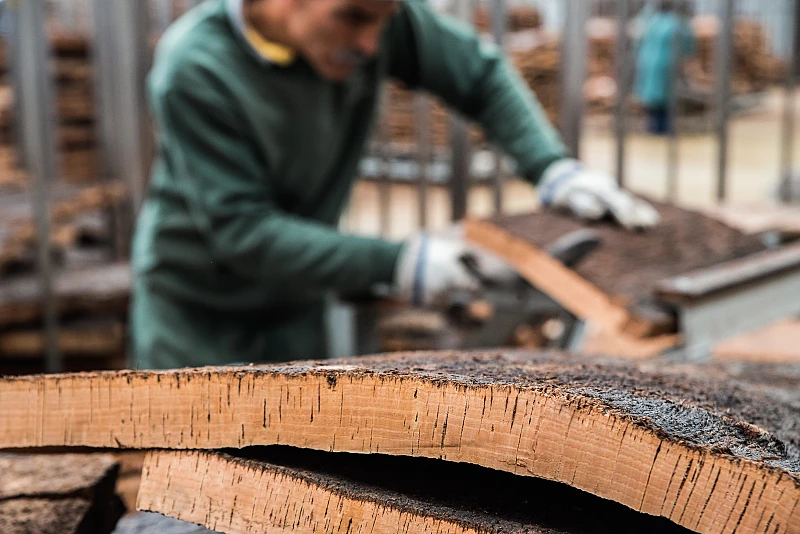
The plank edges are trimmed and each plank is carefully graded according to appearance, thickness and porosity. Only the highest-quality cork is selected for natural cork stopper production, while lower-grade material is used to manufacture other cork products.
Punching
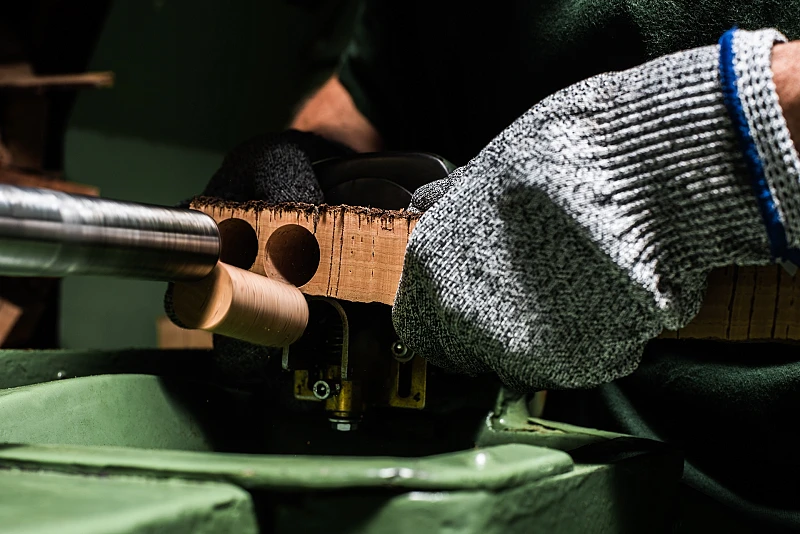
The selected planks are cut into strips, from which cylindrical cork stoppers are punched either manually or automatically. This is a highly precise operation that maximises the use of this natural material.
Rectification
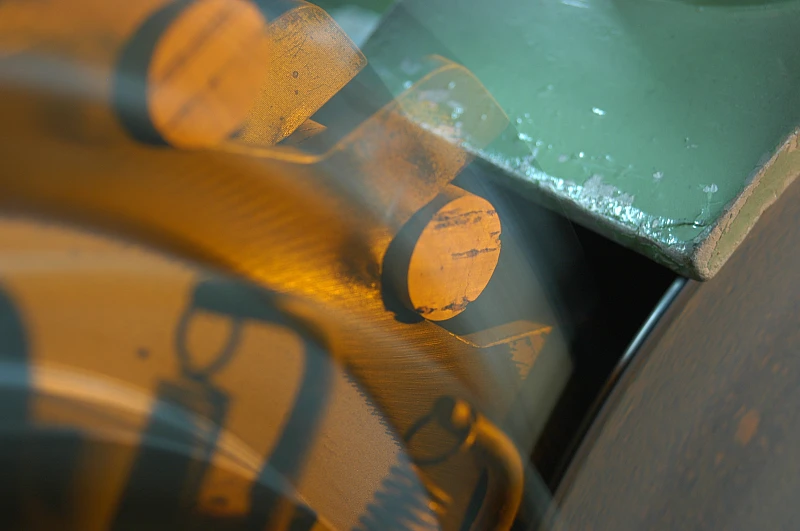
The cork stoppers are polished to achieve precise dimensions and a smooth, uniform surface.
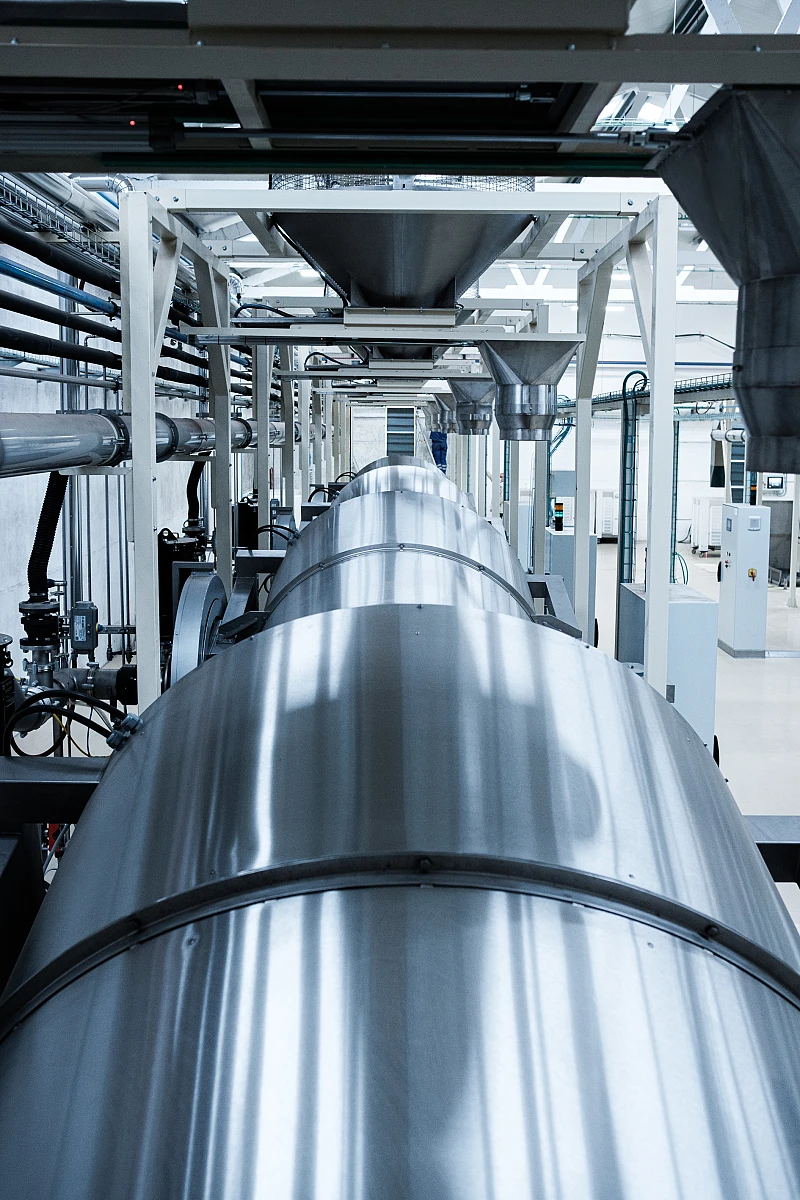
Naturity®
Naturity® is Amorim Cork's most advanced treatment for natural cork stoppers. Developed in partnership with NOVA School of Science and Technology, it uses only pressure, temperature, purified water and time to remove TCA and other unwanted volatile compounds while preserving the cork's natural structure and performance.
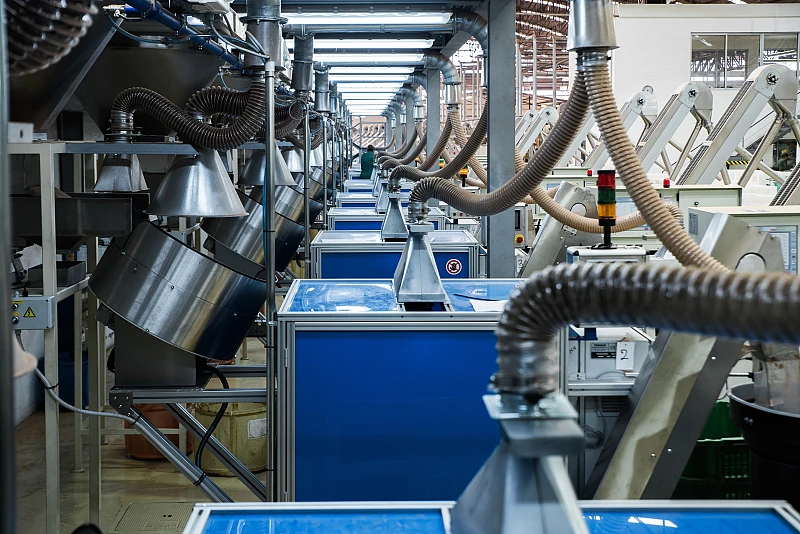
SVE
Every stopper undergoes Sealing Verification System (SVE) screening to ensure optimal sealing performance and controlled oxygen transfer, preserving the cork stopper’s excellent mechanical properties and making it ideal for premium wines with long ageing potential.
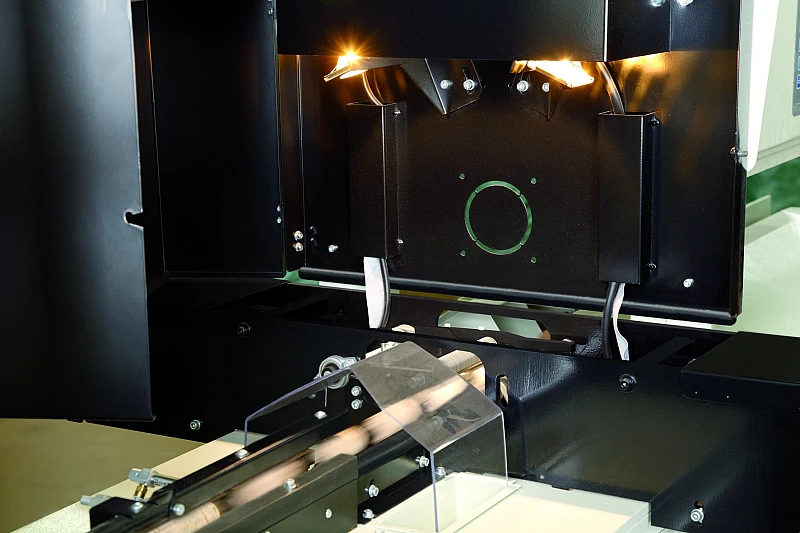
Electronic Sorting
Using artificial intelligence and deep learning, each stopper is visually analysed and automatically classified according to its appearance. Cork stoppers that do not meet the required quality standards are recycled into granules for technical cork stoppers.
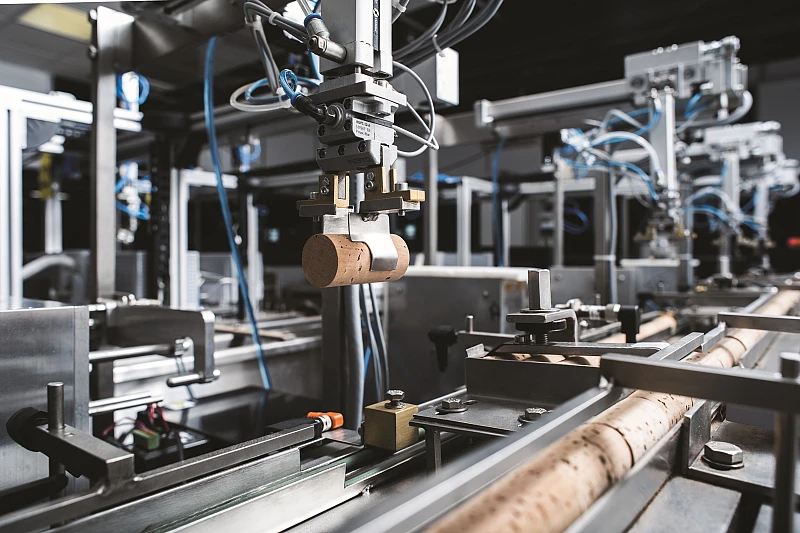
NDtech®
NDtech® is Amorim’s patented technology that individually screens every natural cork using gas chromatography, guaranteeing non-detectable TCA levels and ensuring maximum sensory neutrality and wine protection.
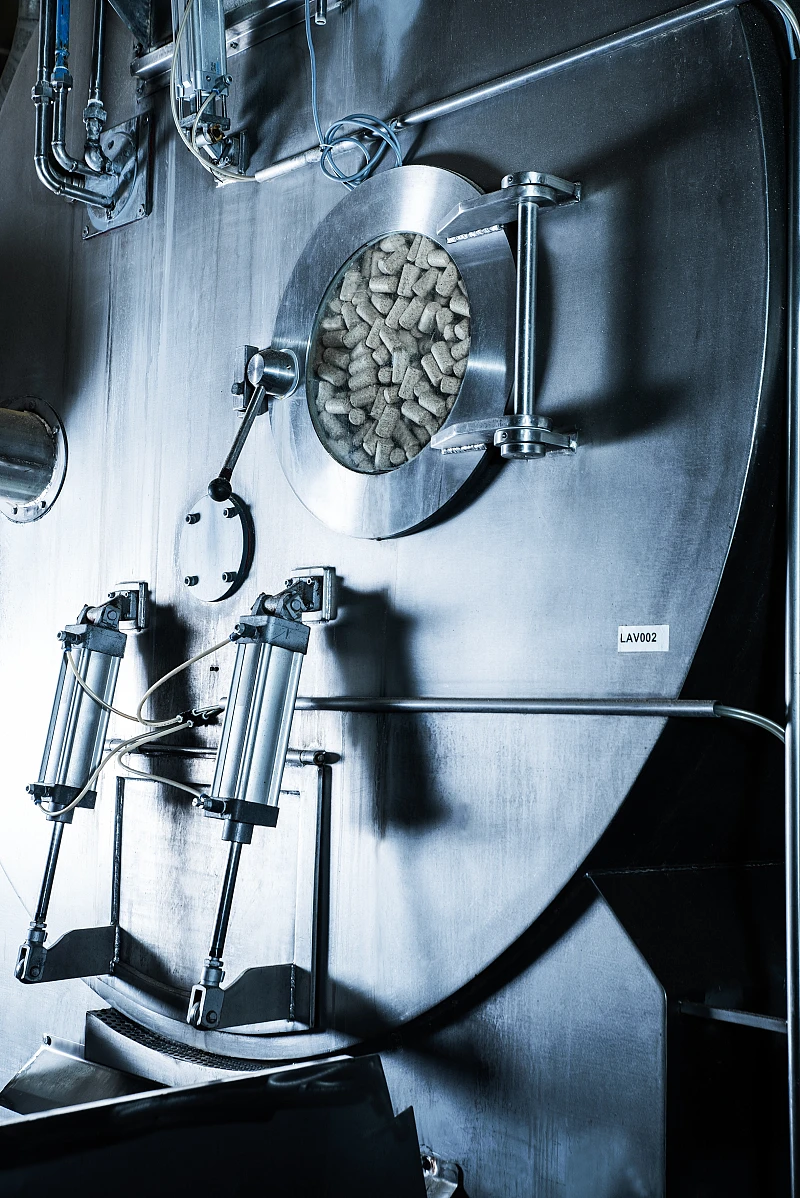
Washing
The cork stoppers undergo a washing process that cleans, disinfects and whitens the surface. This process has been continuously optimised through research partnerships to ensure the highest standards of quality, food safety and sustainability.
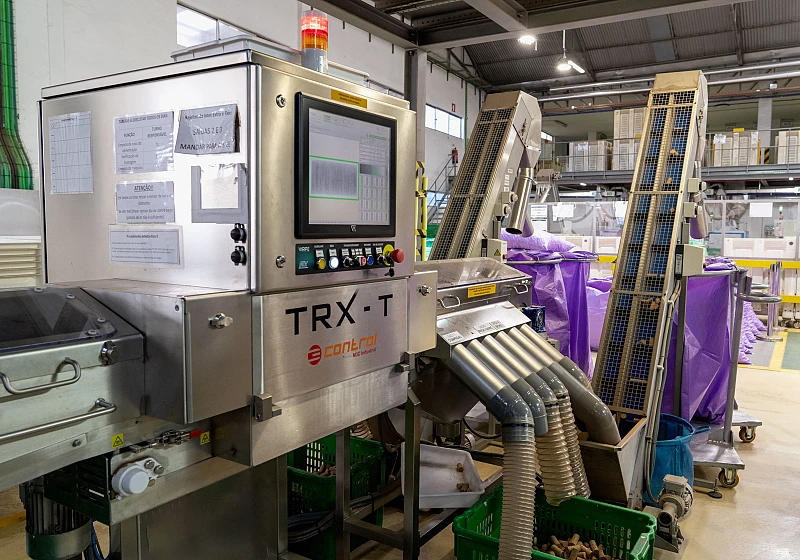
Rayon X
Each stopper is inspected using X-ray technology to detect internal defects, remove clay fragments that could compromise sealing performance, identify extreme density variations and minimise product mix-ups through integrated colour and size detection.
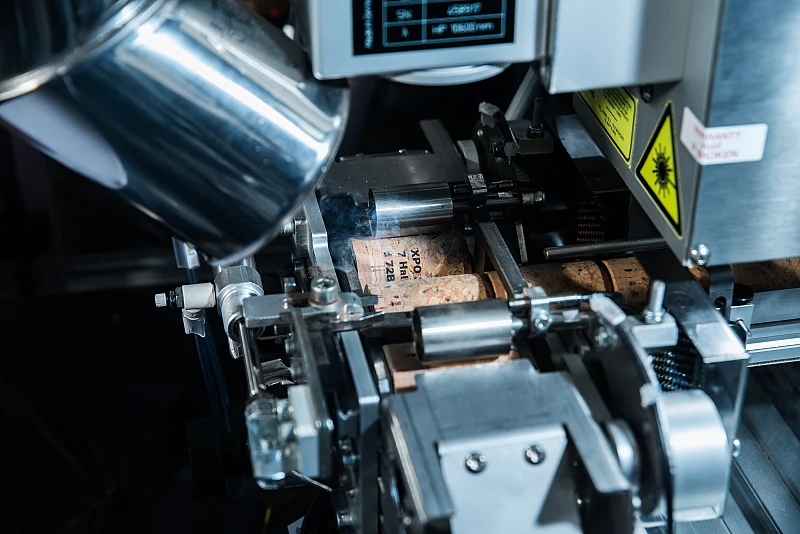
Branding
After meeting the customer's specifications, the cork stoppers are branded using heat, ink or laser technologies with food-approved materials. They are then coated with paraffin or silicone to facilitate insertion into and extraction from the bottle.
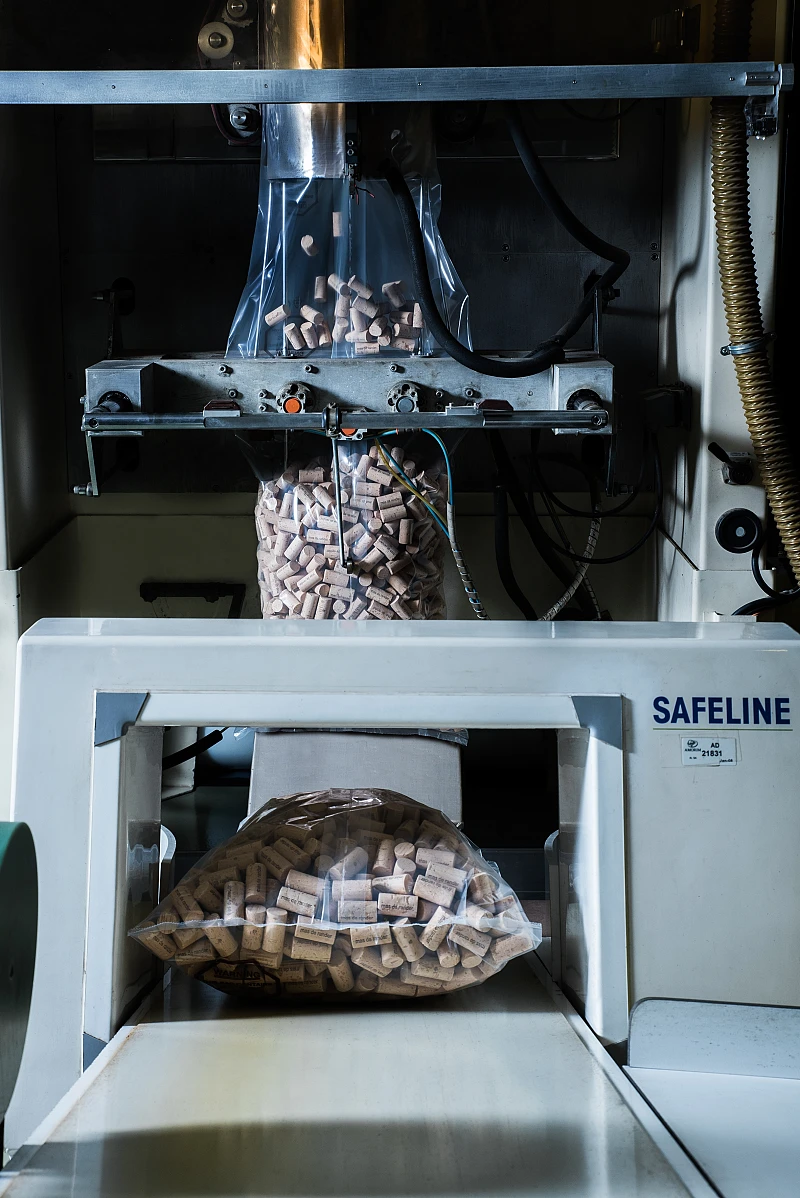
Packaging
Finally, the cork stoppers are packed in sealed bags under controlled conditions, ready to protect and preserve some of the world's finest wines.
*Releasable TCA content at or below the 0.5 ng/L quantification limit; analysis performed in accordance to an internal method based on ISO 20752.
The flowchart shown is for illustrative purposes only and represents a simplified example of the natural cork production process.