- Media Center
- News
News Media Center
Well-managed cork oak forests are a carbon reserve for the future
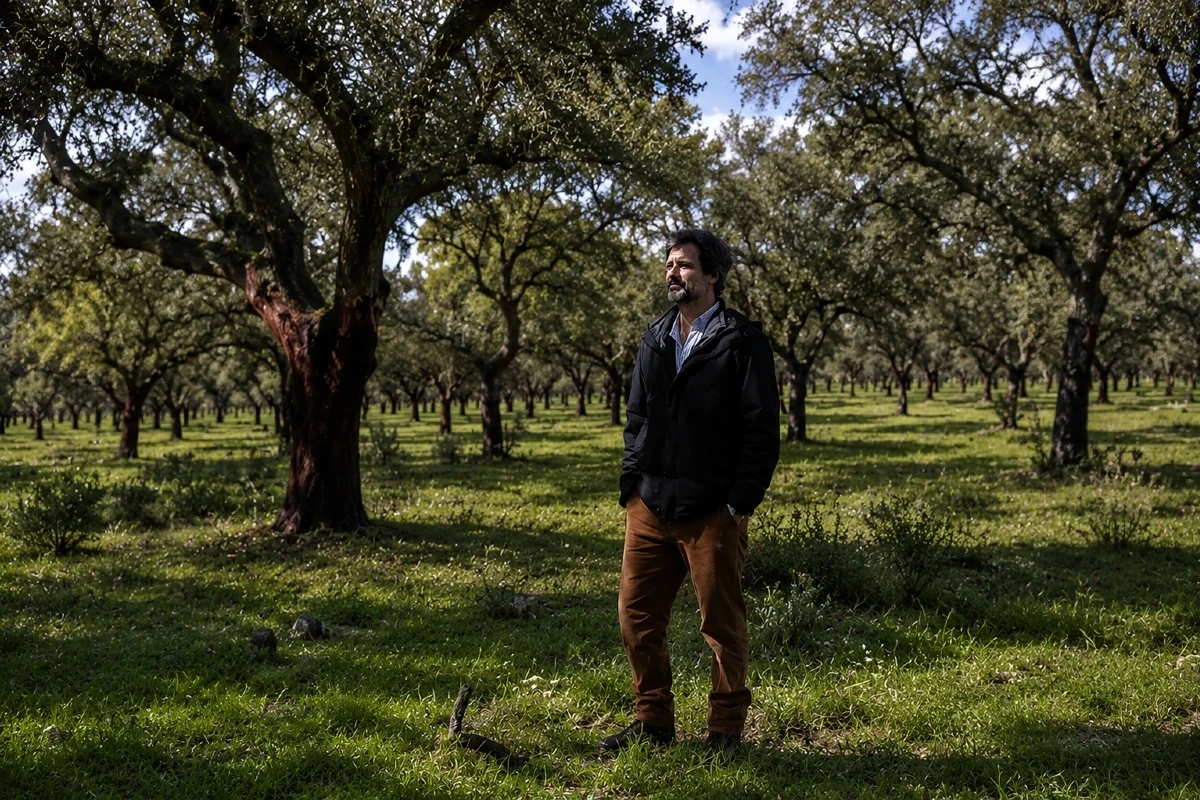
Nuno Oliveira, Chief Executive of Amorim Agro-Florestal, argues that the preservation of cork oak forests requires active management, greater technical expertise and innovation on the ground.
Cork is often associated with its environmental performance, but for Nuno Oliveira, Chief Executive of Amorim Agro-Florestal, protecting this value means looking far beyond the end product. At the heart of the matter lies the cork oak forest — a Mediterranean ecosystem which, when well managed, acts as a major carbon sink, a haven for biodiversity and a natural barrier against desertification.
As part of the Amorim Wine Vision platform — a think tank bringing together some of the most influential voices in the wine sector to discuss the challenges and opportunities shaping the industry’s future — Nuno Oliveira gave an interview to Wine Meridian, in which he shared his views on the challenges facing cork oak forests in the face of climate change and on the solutions being developed to strengthen their resilience.
According to Mr Oliveira, climate change is placing tangible pressure on Mediterranean ecosystems, making it increasingly urgent to invest in forest management practices capable of increasing the resilience of cork oaks and ensuring the regeneration of the forests. The challenge is particularly acute given that many cork oak forests suffer from a shortage of young trees and the progressive ageing of the forests.
It is against this backdrop that Amorim’s Forestry Intervention Programme has been launched, an initiative that seeks to accelerate the regeneration of cork oak forests through the development of more resilient trees and the application of new cork oak cultivation practices. Key areas of focus include water and nutrient management during the first years of the cork oaks’ lives, factors considered essential for increasing the survival of young plants and reducing the time required until the first cork harvest.
“If properly managed, cork oak forests are the perfect barrier against desertification, soil loss and the loss of biodiversity.”
Innovation also involves the genetic improvement of the cork oak. Nuno Oliveira highlights the programme developed by Amorim, which aims to select trees with better growth, higher-quality cork and greater resistance to pests, diseases and water stress, thereby helping to create a forest better equipped to face future challenges.
But the preservation of cork oak forests does not depend solely on technology. Engaging forest owners and sharing technical knowledge remains essential to prevent practices that compromise the health of ecosystems. Sharing information, collaborating with forestry associations and promoting good management practices are therefore central pillars of Amorim’s work in this area.
The interview also highlights the role of cork oak forests as long-term carbon sinks. Unlike other forms of forestry, cork harvesting does not involve felling the tree, allowing the cork oaks to continue growing and sequestering carbon for centuries.
“We harvest the cork, but the ‘carbon factory’ remains in place for centuries.”
Biodiversity, soil conservation and the responsible use of water are also identified as key factors in ensuring the resilience of these ecosystems and their ability to adapt to climate change. A well-managed cork oak forest is not only an important natural reserve but also one of the most effective barriers against desertification and soil degradation in the Mediterranean.
Against a global backdrop of growing demand for renewable, low-impact materials, Amorim is thus reinforcing its commitment to making the most of the cork oak and to preserving a unique ecosystem — where tradition, science and innovation come together to secure a future for cork and the forest from which it originates.
The full interview with Nuno Oliveira was published by Wine Meridian as part of the Amorim Wine Vision platform and can be found here Nuno Oliveira, Amorim: foreste di sughero sono riserve di carbonio.
Other News
Amorim Cork and Niepoort joins forces to champion wine and cork
Cork strengthens its position in the UK wine market
Amorim Cork and Concours Mondial de Bruxelles promote cork...
Amorim Cork launches ALØ®, a new range of cork...
Corticeira Amorim honoured by World Finance